


Introduction
In the fast-moving online world, knowing how stuff gets ranked matters a lot – for companies, marketers, anyone working on search visibility. Lately, people have been talking about rub ranking, which basically means judging sites or offers using several key results indicators. Getting good at this helps you stand out online, pull in more visitors, stay ahead of rivals. Here’s a clear look at what rb ranking really involves – its parts, where it applies, ways to work with it smartly.
What is Rub Ranking?
Rb ranking’s basically a way to score digital stuff – like sites, apps, products, or posts. It might look at how relevant something is; also checks quality, how users interact, tech setup, and trust level. Instead of just one angle, it pulls together different factors. That bigger picture helps people decide what works – using actual results rather than guesses.
Key Components of Rub Ranking
We notice rb ranking depends on multiple key elements working together – like quality, timing, or user behavior shaping results differently each time
- Good content still matters most when it comes to showing up higher online. Instead of just facts, what works best is fresh ideas, clear explanations, plus real insight. How people see your article often depends on whether it’s unique or simply repeats what’s out there.
- User engagement matters – things like how quickly people leave, how long they stay on a page, or if they share it online can affect search rank. When more folks interact, it shows the content is useful and fits what they’re looking for.
- Website speed, mobile compatibility – these affect your ranking. A solid tech base means visitors don’t struggle while browsing.
- Credibility grows when well-known sites link to your pages – this builds trust. Reputation gets stronger through consistent recognition from reliable places online. Quality links act like votes, pushing rankings up over time. When respected websites mention you, it signals that your content matters.
- Good keywords, clear page tags, or smart on-page tricks help match what users search for – this boosts how high a site shows up. Each small tweak adds up, guiding both readers and algorithms without flash or filler.
Importance of Rub Ranking in Digital Marketing
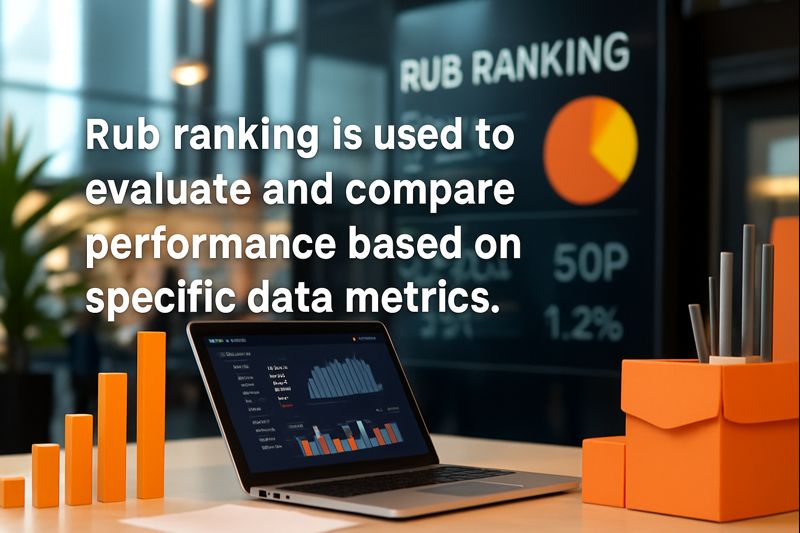
One big thing about rub ranking? It really matters when you’re doing online marketing. Companies using its data often pick better moves to get seen more and trusted faster – so they win attention without paying for ads. When stuff ranks high, it pulls in visitors naturally, turns them into buyers easier, plus builds name recall over time. On top of that, knowing how rb ranking works shows where things are weak, letting teams fix broken spots with smart tweaks instead of guessing.
Rub Ranking in Search Engine Optimization (SEO)
SEO ties directly into rb ranking. Because search engines rely on complex formulas, they pick pages that match what users are looking for. When a page scores high on various rub ranking aspects, it usually shows up near the top of results. Instead of focusing on just one thing, good SEO tackles content, tech setup, and how people interact – all at once – for better rb ranking. By taking this broader path, progress in any single part gets stronger thanks to gains elsewhere.
Rub Ranking for E-commerce Platforms
Online stores rely on rb ranking to get products seen and sold. When items earn good feedback, draw attention, or look sharp technically, they often show up first when people browse. Smart sellers keep an eye on these rankings – then tweak how they describe things, update photos, change prices, or improve ways they connect with buyers just enough to stay ahead.
Measuring Rub Ranking Effectively
Precise data matters if you want to use rub rankings to get ahead. Instead of guessing, rely on software that shows clicks, time spent, sales results, or trust indicators. Keep an eye on this info now and then – spot patterns, fix what’s lagging, tweak things smartly. Graphs, side-by-side tables, or scorecards break it down clearly, so marketing folks or bosses can act fast.
Factors Affecting Rub Ranking
We recognize that several internal and external factors can impact rb ranking:
- Search engines tweak how they rank pages every now and then – these changes can shift where sites show up in results based on various factors.
- Competitive scene – How rivals perform affects your spot in rankings. If others are strong, you’ll need sharper tactics to keep up.
- User behavior trends – what people expect keeps changing, yet how they browse evolves too; their device choices also affect rankings differently now.
- Fresh posts stay sharp – update them often so they matter more plus Google notices.
- Folks who get how this works can see shifts coming, so they tweak plans ahead of time.
Strategies to Improve Rub Ranking
Boosting your rub rank means trying several things at once. Here’s what works best – try one after another or mix them up
- Fix your pages so they give what people are looking for – use clear layout, helpful info, also smart keyword choices.
- Faster page speed, plus a layout that fits any screen size – also use clear code structure so search engines understand it right.
- Get people involved – spark activity by asking questions, using polls, or prompting reactions to lift engagement numbers.
- Gain trust by getting solid links from well-known sites – this boosts your reputation on the web.
- Check how things are going now and then – look at numbers, spot what’s not working well, or fix it to keep getting better little by little.
Rub Ranking Beyond Websites
Though often linked to websites, rb ranking ideas also work for social pages, apps, or online tools. Looking at each one as a whole – by how good it is, how much people interact, yet how reliable it seems – helps every part of your digital presence run better, building steadier recognition while gaining user confidence.
Challenges in Implementing Rub Ranking
Even though it helps, setting up a solid rub ranking plan can be tough – there’s hurdles along the way
- Too much data? Juggling numbers gets tough when tools aren’t set up right.
- How systems rank stuff can shift – this might tweak results for a bit. These shifts could alter how things perform short-term.
- Working on content, tech parts, or reputation takes time – also skill. How you handle each part affects results differently. One size never fits all here.
- Facing these issues head-on helps companies organize better while using their time and money more carefully.
Case Studies of Successful Rub Ranking Optimization
We see lots of cases where businesses used rub ranking knowledge to grow fast – better content led to stronger interaction, while fixing tech problems raised their profile. One change built on another, pulling more visitors and lifting sales numbers step by step. Real results came from looking at the whole picture instead of just quick fixes here or there.
Frequently Asked Questions
- What does rub ranking mean in SEO?
It refers to a multi-factor evaluation of content or websites, assessing relevance, quality, and user engagement. - How often should rub ranking metrics be monitored?
Regular monitoring, ideally monthly or quarterly, ensures timely adjustments to maintain or improve ranking. - Can small businesses benefit from rub ranking optimization?
Yes, even smaller enterprises can enhance visibility and performance by applying rub ranking strategies. - Does rub ranking replace traditional SEO?
No, it complements SEO by providing a more holistic evaluation of performance factors. - What tools can help track rub ranking?
Analytics platforms, SEO tools, and performance dashboards help monitor traffic, engagement, and authority signals.
Conclusion
We find rub ranking matters because it helps check and boost how well things do online. It looks at everything – like content, how users interact, tech setup, or trust level – to help stuff get seen more and make a real difference. Knowing its parts and using smart moves lets companies build stronger web profiles, gain trust, while growing steady despite heavy competition out there.

1 Comment
I loved as much as you will receive carried out right here. The sketch is tasteful, your authored subject matter stylish. nonetheless, you command get got an impatience over that you wish be delivering the following. unwell unquestionably come further formerly again since exactly the same nearly very often inside case you shield this increase.