


Introduction
In the kitchen, koriandri shines because it adds bold taste and works well in lots of meals. Its unique smell and positive effects on wellness have made it popular across continents. People appreciate it not just for flavor, yet due to healing traits and good nutrients too. Here’s a look at where it comes from, how it’s used, what makes it helpful, along with handy ideas for using it daily – giving both new cooks and fans useful insights.
Origins and Botanical Background
Koriandri – called coriander or cilantro depending on where you are – is part of the Apiaceae group. This yearly-growing herb does well in mild weather, prized just as much for its green foliage as for its tiny seeds. People have grown it forever, really; signs show folks used it way back in old Mediterranean and Asian societies. It likes loose soil and plenty of sun, sprouting soft, lacy greens along with fragrant little kernels.
Culinary Uses of Koriandri
The bright bite of koriandri helps out in lots of dishes. But the fresh greens – often known as cilantro – add a sharp zing to broths, bowls, or chunky salsas.Still, when dry, those little bits become coriander seeds – tossed into simmering dishes, bold mixes, sometimes sweet treats. You’ll find this plant all over – from old-school meals to fresh takes – in spots like India, Mexico, Thailand, or Lebanon. It won’t overpower; instead, it subtly lifts the flavor, blending in without stealing focus.
Fresh Leaves
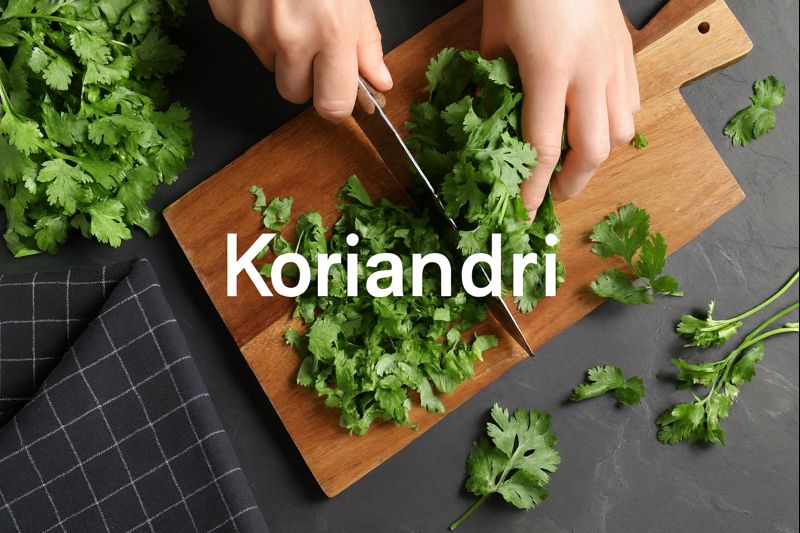
Fresh coriander greens often top dishes or mix into dips instead of cooked sauces. Their soft feel with bright hue works well in bowls, broths, or rolled-up meals. Cutting them right before eating keeps the scent sharp and taste fresh.
Coriander Seeds
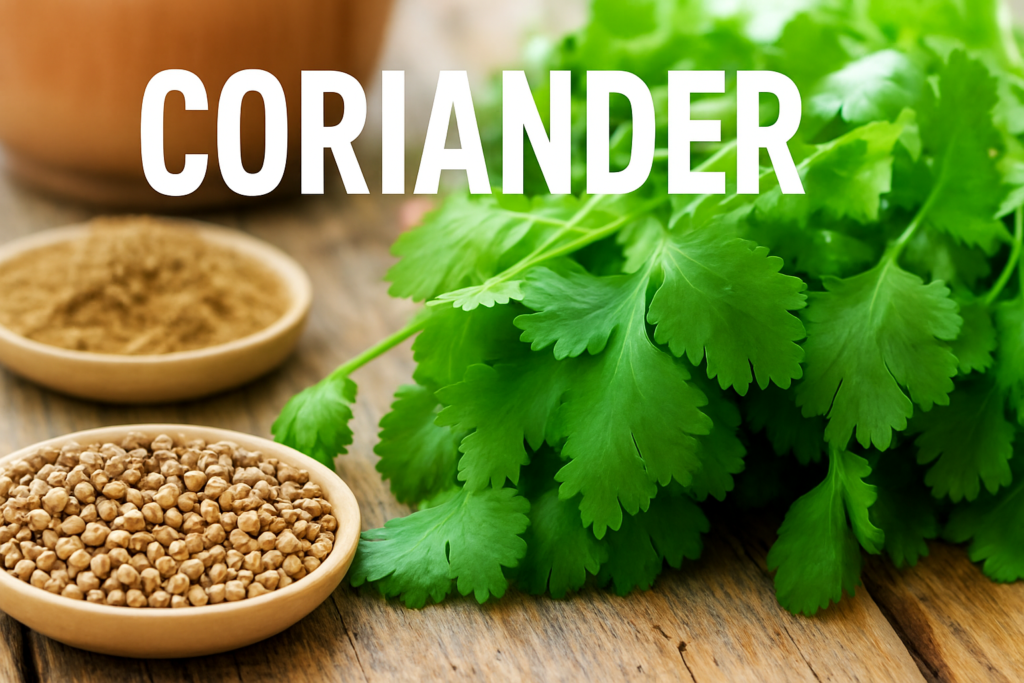
Coriander seeds taste cozy, like nuts with a hint of lemon – especially once they’re toasted or ground. These little bits go into mixes that spice up food, help meat soak in flavors, or keep veggies crunchy in jars. Smash them open so their inner oils flow out, which brings more richness to meals you cook.
Health Benefits of Koriandri
We notice koriandri brings plenty of perks for your health. While its leaves pack antioxidants, the seeds deliver solid doses of vitamins and minerals – both boost a well-rounded eating plan.
- Digestive health gets a boost from koriandri since it helps enzymes work better while cutting down on bloating.
- Koriandri’s natural compounds fight swelling while boosting general health.
- Rich in antioxidants, this fights off damaging molecules – so cells stay strong. While it tackles stressors, your body gets a boost from within.
- Blood sugar control – Research hints that koriandri could support steady glucose levels.
- Loaded with vitamin C along with key nutrients, koriandri helps boost your body’s defenses.
How to Store Koriandri
Fresh coriander lasts way better if handled smartly. Store the leaves in the fridge – wrap them in a damp cloth or set them in a glass with water. As for seeds, pop them into an airtight container and keep it dark, dry, and away from heat. Do this stuff regularly so they don’t lose their smell or go bad quick.
Incorporating Koriandri in Daily Meals
We highlight several practical ways to incorporate koriandri into daily cooking:
- Salads plus wraps – Toss chopped greens into leafy mixes, grain bowls, or subs to brighten up the flavor.
- Soups plus stews? Try tossing in some fresh or dried koriandri seeds – adds a nice kick. Flavor gets a boost without extra fuss, just a pinch does it. Performs well in soups or heavy blends either way.
- Sauces or chutneys – toss chopped herbs straight into pesto, dips, maybe even yogurt blends for extra kick.
- Crush the coriander seeds – toss them into the spices while you cut up vegetables. Swap your usual mix with this when grilling chicken later. It brings a new kick – simple change, big difference. Shake it on before heating up the pan.
- Bake with seed powder in loaves, biscuits, or pies – it adds a quiet scent. Try swapping flour for a spoonful when mixing doughs; it brings warmth without overpowering. Even muffins get a gentle earthy touch this way.
Cultural Significance
The way people use koriandri goes beyond flavor – it’s tied to traditions across places. In India, you’ll find it in curries or sprinkled on top for finish. Over in the Middle East, it mixes into seasonings such as za’atar. Across Latin America, they toss raw leaves into salsas or mash them into guac. Wherever it shows up, it proves how flexible and loved it really is.
Growing Koriandri at Home
We discover growing koriandri at home feels satisfying while being useful. It needs little attention, doing fine in containers or open ground. Drop seeds into loose soil, let them get plenty of sun but keep moisture steady. Pick leaves when young so they stay soft and tasty. Raising your own means grabbing greens fast plus cutting waste in meals.
Frequently Asked Questions
- Why are cilantro greens not like the dried kernels?
- Fresh leaves bring a zingy kick – then again, roasted seeds deliver cozy flavors, sorta earthy.
- Yep – toss that cilantro into the freezer if you want it to last longer.
- Okay, slice up the greens – then slide them into ice trays or sealed containers once finished.
- Maybe coriander doesn’t sit well with certain people?
- Now and then, things go smoothly. Yet some folks could have issues – maybe their body just doesn’t like it.
- How can you boost coriander’s flavor while preparing food?
- Toss new leaves in just at the end to hold that aroma – warm the seeds a bit beforehand, then they’ll release their oils.
- Can coriander help with health issues?
- Yep, helps digestion, cuts swelling, fights damage from toxins, also supports your body’s defenses.
Conclusion
We find koriandri works well in many ways – boosting taste along with nutrition. Fresh leaves bring zest, meanwhile the fragrant seeds open up loads of cooking options. Besides supporting health, it fits naturally into daily eating habits. From old-school meals to new kitchen experiments – or even when you grow it yourself – it stays a go-to choice. Because it ties flavor, wellbeing, and tradition together, using it smartly means tastier food plus real perks.

3 Comments
superb post.Ne’er knew this, thankyou for letting me know.
Pingback: Christmas Potluck Ideas: Delicious, Easy, and Crowd-Pleasing Dishes for the Holidays 2025 - My Blog
Some genuinely nice and useful info on this internet site, as well I believe the style contains good features.