


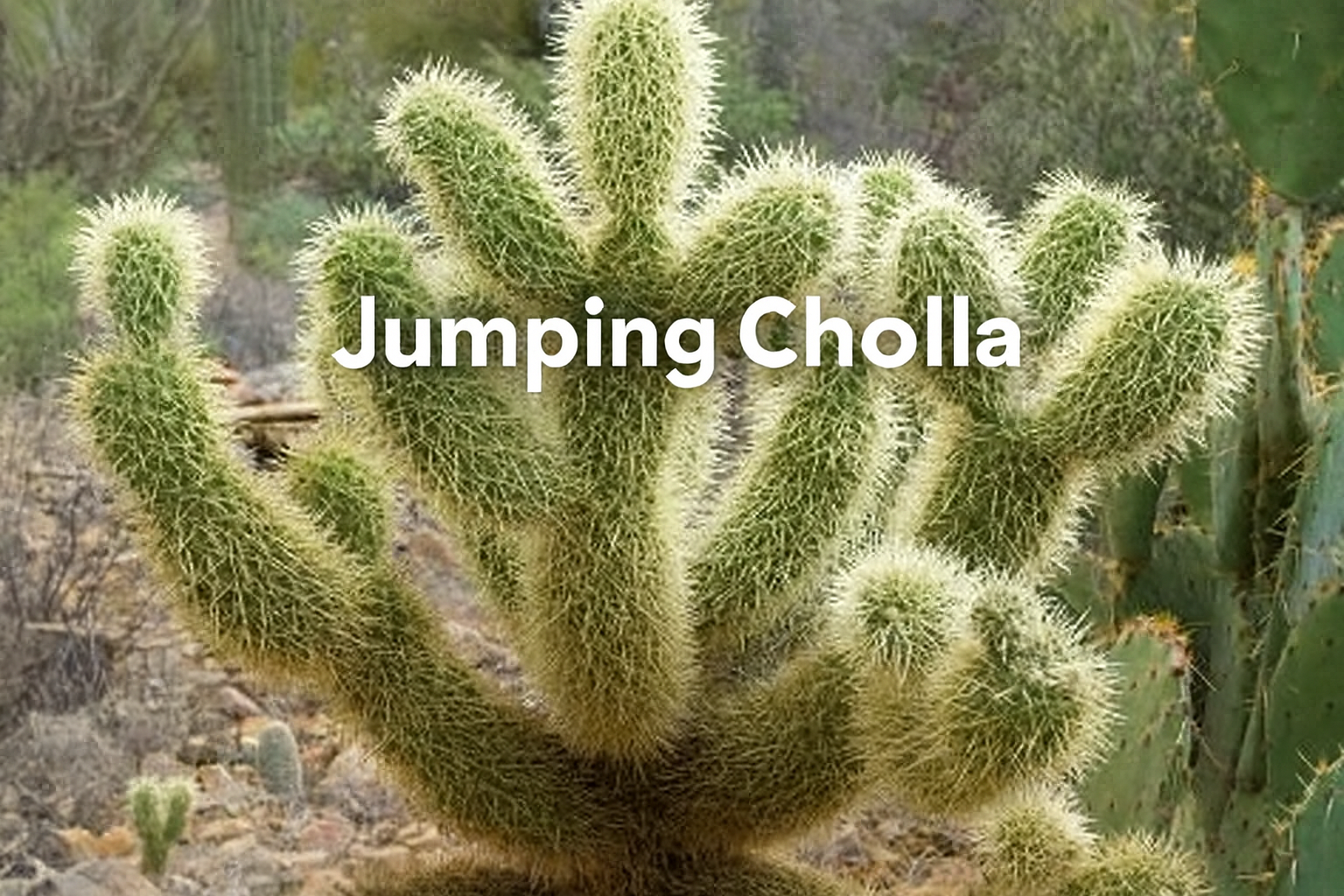
The jumping cholla stands out among desert plants across the American Southwest, also showing up in parts of northern Mexico. With its bold look, prickly spikes, plus a weird knack for sticking to whatever moves nearby, this cactus gets labeled as one to watch from afar. Even though folks see it as harsh or tricky because of its name and looks, it actually supports life in dry regions – giving animals cover, meals, even safety. It’s tough, sure, but also shows how nature adapts under pressure. Getting familiar with this plant makes hikes safer while building respect for its place in wild spaces.
The jumping chola sticks to anything nearby – skin, clothes, boots, or critters – that brushes past it. It doesn’t really leap; just a light bump snaps off pieces of its stem, making it seem like it jumps at you. That quick drop helps the cactus survive by scattering chunks around the desert sand. Those broken bits dig into the ground later, sprouting fresh plants. Thanks to this trick, these cacti thrive and bunch up into thick patches across dry terrain.
The jumping chola grabs your eye right away. Its round stems pack tight rows of spines that shine bright under sun, sometimes flashing gold or silvery light. Tiny hooks coat those spines – this makes them stick hard whenever they latch on. So folks walking through dry lands should watch their step near thick patches of these plants. Pulling out the spikes hurts, plus you’ll likely need tweezers or a fine-tooth comb to get them off skin or clothes.
Here’s what sets the jumping cholla apart:
Key Characteristics of the Jumping Cholla
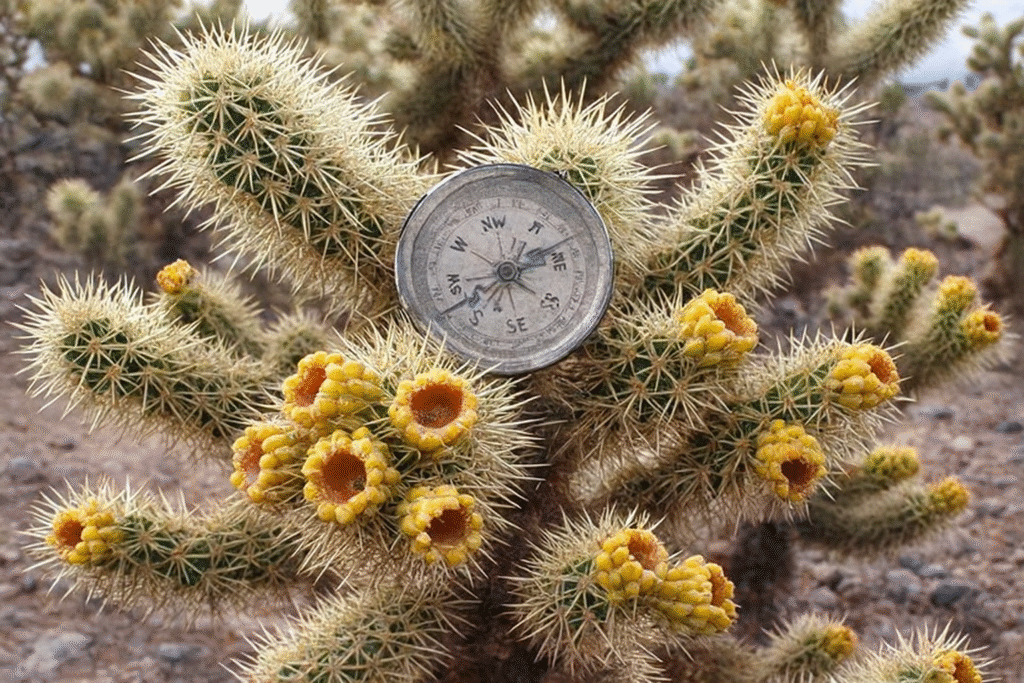
1. Highly Barbed Spines
The spines on the jumping chola? Super sharp – plus they’ve got little barbs, so yanking them out is no joke.
2. Detachable Stem Segments
The stem parts separate easily, meaning the jumping chola spreads when chunks land and root in dirt.
3. Desert Adaptation
The jumping chola sticks around in blazing dry zones with almost no rain – proving it handles rough times well.
4. Eye-Catching Appearance
The cactus glows when the sun rises or sets – its sharp spines catch your glance. Folks take photos since it pops once sunlight angles perfectly.
5. Wildlife Support
Birds duck into jumping chola when danger’s near – bugs slip in too. Tiny animals stash themselves in those prickles, staying out of sight.
Where the Jumping Cholla Grows
The jumping chola pops up across the Sonoran Desert – think Arizona, chunks of California, southern Nevada, and stretches of northern Mexico. Rather than flat terrain, it thrives on rocky slopes, scattered sandy areas, or dry riverbeds. Since it handles blazing temps and scarce moisture, this cactus proves hardy, made to stick around. When trekking through spots such as Joshua Tree or Saguaro National Park, you may see dense groups of them standing out – spiky, striking, almost untamed.
The jumping chola tends to cluster tightly, forming dense patches known as “cholla forests,” where many thorny plants create a dramatic yet dangerous landscape. On certain paths, signs warn people to keep away – since even light contact or a gust shifting the branches can send needle-like spines embedding into flesh.
Ecological Importance of the Jumping Cholla
Even though it’s covered in sharp spines, the jumping chola still does a key job in nature. Birds like the cactus wren pick spots close to its thorny arms – safe from attackers – to raise their young. When parts break off and drop, little mammals sneak under them for shelter. Come spring, bright blooms pop up that pull in bees along with other insects needing nectar. After flowering, the plant grows fruit eaten by different creatures living across dry areas.
The jumping cholla holds soil in place, so it stops washing away in dry zones. Because it grows fast, desert life stays varied and steady.
Safety Tips for Avoiding the Jumping Cholla
Wandering through sandy spots where the jumping chola pops up might be fun – though you’ll want to stay sharp. Check out these key tips to keep things safe:
- Stay back – those spines come loose if you brush them.
- Put on heavy clothes – tough shoes, pants made of denim, also mittens shield your skin if a cholla cactus pops near you.
- Keep tweezers handy – they work well for pulling off stuck bits without harm. Or try a thin comb; it can do the job just as good.
- Be careful where you walk: broken bits of jumping cholla hide in the sand, so they might cling to your boots.
- Keep an eye on your pets – those sharp spines can really hurt animals.
These steps mean you can enjoy the jumping chola’s look while skipping the hurt it brings.
Why the Jumping Cholla Is Misunderstood
Some folks get scared of the jumping chola, yet they often misread how it acts. It won’t lunge or strike – rather, its thorny spikes break off quick as a way to spread new plants. That trick gives it an angry look, even though it’s just nature doing its thing so the cactus can grow strong. Once you see why it works this way, your worry fades while appreciation grows for how well it survives out there.
Conclusion
The jumping cholla’s a tough little plant – shows how strong desert life can be. Its bright thorns stand out, it spreads easily, plus it plays a big role in the ecosystem. Even though it hurts if you touch it, there’s reason to respect what it does. Out hiking, snapping photos, or just into plants? This cactus tells you something real about arid places. Keep your eyes open, give it space, so you see its charm without getting stuck.
