


The animal Starting massive, packed with oddities, yet never boring – especially critters whose names kick off with Y. These beings thrive in spots ranging from steamy rainforests to icy tundras, all while changing their surroundings bit by bit. A close dive into these Y-starting species reveals straightforward details about behavior patterns, survival zones, physical traits, also whether they’re struggling to stay alive.
Yabby – The Freshwater Crayfish of Australia Starting
The Yabby’s a hardy little creature native to Australia, sticking to freshwater spots. You’ll spot them in rivers or lakes, though they’re just as happy in swamps and murky farm dams. One might be light tan, another deep brown – or even flash electric blue. When it’s time to eat, they snack on plants, algae, sometimes small critters instead. Even in low-oxygen water that’d kill others, they push through – more resilient than nearly every crustacean around these parts.
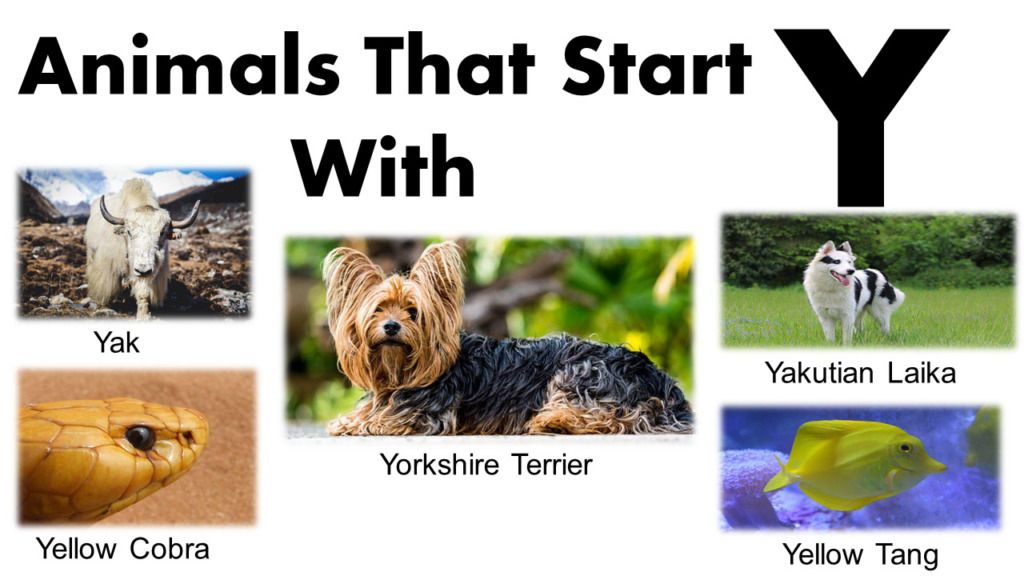
Yak – The Majestic Mountain Mammal
The yak’s a sign of the high mountains Starting. Tough beasts, they live where air is thin – powered by serious endurance. Besides being hardy, they help locals with milk, wool, hauling stuff, even rides. Domestic types differ from wild kin, which are stronger, larger – and fading fast as woods disappear and poachers advance.
Yellowfin Tuna – The Speedy Ocean Predator
The Yellowfin Tuna zips through warm oceans across the globe. With a sleek body and bright yellow fins, it grabs attention from both pros and casual anglers. Though built for speed Starting – hitting bursts near 50 mph – it also travels far when migrating. It hunts small fish, shrimp-like creatures, or squid, staying at the top of the food chain out in open waters.
Yellowhammer – The Melodic Songbird of Europe
The Yellowhammer’s a small bright bird seen across Europe and Asia. With its cheerful call along with striking looks, it prefers open farmland, scrubby edges, or rural spots. Feeds mainly on seeds though snacks on little insects once in a while. Its distinct song – people claim it sounds like “a-little-bit-of-bread-and-no-cheese” – plays regularly through countryside zones.
Yellow-Banded Poison Dart Frog – A Bright but Deadly Amphibian
A bright critter starting with Y? Starting Meet the Yellow-banded Poison Dart Frog. Lives deep in Venezuela’s green jungle – striking stripes of black and gold scream “back off.” Its skin leaks poison, powerful enough that tribes once dipped arrow tips into it. Small size, big threat – that toxin ranks it among Earth’s fiercest frogs.
Yellow Mongoose – The Agile Hunter of Southern Africa
The yellow mongoose – also known as the red meerkat – sticks to spots across South Africa, Botswana, and Namibia. In dry grassy areas or wide-open flats, these critters zip about all day. Slender body, bushy tail, sharp reflexes – that’s how they snag insects, small reptiles, young chicks, and rodents without a hitch. Rather than flying solo, they buddy up with real meerkats, sharing burrows below ground while keeping an eye out for threats side by side.
Yeti Crab – The Deep-Sea Enigma
Discovered not long back in the South Pacific, Starting this odd crab grabs attention as a rare “Y” animal Starting. Called the Yeti Crab ’cause its pale legs are covered in hair-like strands. Hangs out near steaming undersea vents, tough enough to survive extreme temps and deep-sea crush. Bacteria sprout on those hairy claws – might help filter toxins from the surrounding liquid. Rather than typical meals, it mainly munches tiny bugs and vent-made chemicals.
Yellowjacket – The Fierce Social Wasp
The Yellowjacket’s a typical wasp found across North America, some areas of Europe, or down under in Australia. Bright yellow with sharp black patterns, these insects help manage populations of smaller pests. But stay cautious around their home – move too close, they react quick. Feeding on sweet flower juice, gobbling soft fruit, occasionally chasing little critters, yet come midyear heat, they form large active colonies.
Yellow-Bellied Sapsucker – Nature’s Tree Driller
The Yellow-bellied Sapsucker catches your eye since it drills neat rows of tiny holes right into tree bark Starting. From there, sap leaks out – making an easy meal as the bird laps it up, all while grabbing insects that swarm to the sugary flow. Its head blazes red, streaks of white cut across the wings, and the belly glows soft yellow, giving it a bold appearance. Every year it migrates long distances, popping up in forests, urban parks, sometimes even near homes.
Yorkshire Terrier – The Elegant Small Dog Breed
The Yorkshire Terrier – often nicknamed the Yorkie – is a favorite tiny dog worldwide. Its silky, trailing fur paired with bold behavior makes it stand out. This mini canine first showed up in England ages ago. Despite being petite, it’s full of courage, cleverness, and energy. It fits right into city apartments while offering comfort, which is why urban dwellers often pick it as a companion.
Yellow Anaconda – The Lesser-Known Giant Snake
The Yellow Anaconda is a powerful non-venomous snake found throughout South America – often seen in Paraguay, Bolivia, or Argentina Starting. Even though it’s smaller than the green one, it stays sturdy, reaching lengths near 14 feet on average. It prefers damp spots such as swamps, marshes, along with slow-moving rivers. Usually alone, these snakes stay hidden until they dash out suddenly, grabbing prey like fish, birds, small mammals instead of reptiles.
Yucatan Squirrel – The Forest Dweller of Mexico
The Yucatan Squirrel sticks to treetops, native to the Yukatán area. Its bushy tail along with speckled tan fur helps it thrive in hot woodlands or rough thickets. Feeds on berries, acorns, grains – now and then insects as well. As it scatters seeds during travel, regrowth in forests happens more smoothly.
Yarará – The Venomous Pit Viper of Argentina
One nickname for the Bothrops jararaca is Yarará, a toxic serpent found in some areas of South America. Since its poison harms blood cells, this pit viper’s seen as one of the most dangerous. With blotchy brown-olive scales, it blends into leaf litter easily. Rather than run after food, they stay still – then snap at rodents or small creatures.
Conclusion
The animal Starting lesser-known members come in all shapes and sizes. From deep seas to rocky peaks, life finds odd paths to survive. Some are large, others barely visible; a few scare you off, while some stay quiet – each one matters in its own way when it comes to keeping balance outdoors, plus they grab your attention if you’re into creatures living free.
