


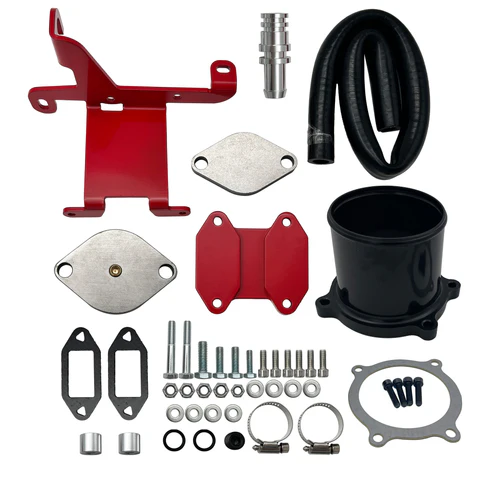
Diesel engines are known for their sturdiness, power, and longevity, but modern emissions systems have added an extra layer of complexity that many drivers did not anticipate. One of the most common trouble areas is the Exhaust Gas Recirculation system. Over the years, I have worked with many drivers and students who dismissed early warning signs, only to later discover the problem was EGR Delete Kit related.
Understanding these early symptoms can help you decide whether it is time to start researching an egr delete kit or an egr valve delete kit based on your vehicle type and driving habits.
Rough or Unstable Engine Idling
One of the first and most noticeable symptoms of an EGR valve problem is rough or unstable idling. The engine may shake, idle unevenly, or struggle to stay smooth, particularly during cold starts. This usually occurs when carbon buildup inside the EGR valve disrupts proper airflow.
As soot continues to accumulate, the valve can stick partially open, allowing exhaust gases into the intake when they are not needed. At this stage, many drivers begin considering an egr delete kit, as repeated cleanings often provide only short term improvement.
Lack of Throttle Response and Power Loss
Another common warning sign is delayed throttle response. When pressing the accelerator, the vehicle may hesitate before responding, which can feel especially dangerous when merging onto busy highways. The engine may also struggle to maintain RPM while climbing hills or carrying heavy loads.
This issue is frequently misdiagnosed as a turbocharger or fuel delivery problem. In many cases, the real cause is restricted airflow due to a failing EGR Delete Kit system. As symptoms worsen, vehicle owners often explore whether an egr valve delete kit could restore reliable performance.
Frequent Check Engine Lights
Recurring or flashing check engine lights are a strong indicator of EGR related trouble. Fault codes often reference EGR flow, valve position, or intake temperature sensors. Clearing the codes may temporarily turn the light off, but it usually returns if the underlying problem remains.
Drivers who repeatedly deal with EGR Delete Kit fault codes often realize that continued part replacement becomes more expensive than addressing the root issue. This is commonly the point where serious consideration of an egr delete kit begins.
Declining Fuel Efficiency
A noticeable drop in fuel mileage can also point to EGR system problems. When exhaust gases interfere with clean airflow, combustion efficiency suffers. The engine compensates by injecting more fuel, which reduces mileage without improving performance.
Drivers who closely track fuel usage often notice this change early. After ruling out tires, injectors, and filters, attention typically turns to the EGR system and possible solutions such as an egr valve delete kit in certain applications.
Carbon Deposits in the Intake System
One of the most obvious signs that the EGR system is causing damage is carbon buildup inside the intake manifold. During inspections or routine maintenance, thick black deposits may be visible around intake ports and sensors.
This buildup restricts airflow, causes inaccurate sensor readings, and leads to poor engine performance. Vehicles driven in stop and go traffic or under heavy load conditions are especially affected, which is why many owners search for egr delete kits to prevent repeated fouling.
Repeated EGR Valve Failures
If your vehicle has already required one or more EGR valve replacements, this is a major warning sign. The EGR valve is one of the most failure prone components in modern diesel engines due to constant exposure to heat and soot, which can cause it to stick open or closed.
Repeated replacements become costly and frustrating. At this point, many owners begin researching whether an egr delete kit would provide a more dependable long term solution for their driving needs.
Poor Performance on Long Trips
EGR related problems often become more noticeable during long drives. The engine may run well initially, then gradually lose power as combustion heat increases and carbon deposits restrict airflow. Some drivers experience sudden power reduction or limp mode activation.
For those who rely on their vehicle for long distance travel, this inconsistency becomes a serious concern. Removing the root cause with an egr delete kit is often viewed as one of the most reliable ways to restore dependable performance.
Legal and Usage Considerations
An EGR delete is not a suitable solution for every vehicle or location. Emissions regulations vary by region, and deleting emissions equipment may not be legal for street driven vehicles. Most people who install an egr delete kit do so on off road vehicles, agricultural equipment, or competition builds.
Understanding local laws and clearly defining how the vehicle will be used can prevent legal and financial issues in the future.
Final Thoughts
Catching EGR related warning signs early can save time, money, and frustration. Rough idling, reduced drivability, frequent check engine lights, and carbon buildup are all indicators of EGR system trouble. Even with regular maintenance and cleaning, recurring issues often push drivers to search for permanent solutions.
From a professional standpoint, the key is understanding how your vehicle is used and the environment it operates in. Reading an egr delete kit review or an egr valve delete kit guide can help you make a well informed decision focused on long term reliability and consistent engine performance.
FAQs
What are the symptoms of a bad EGR valve?
Rough idling, reduced throttle response, poor fuel economy, frequent check engine lights, and carbon buildup in the intake system are common signs of a failing EGR valve.
Is rough idling always caused by the EGR system?
No, rough idling can have multiple causes. However, it is one of the most common early symptoms of EGR carbon buildup.
Is cleaning the EGR system enough?
Cleaning may offer temporary relief, but if carbon buildup returns quickly, deeper contamination is usually present and ongoing issues are likely.
Can ignoring EGR problems damage the engine?
Over time, restricted airflow and inefficient combustion can increase engine wear and reduce overall efficiency.
Do all diesel engines develop EGR issues?
Driving conditions and maintenance habits play a role, but most modern diesel engines experience EGR related buildup as mileage increases, often after 50,000 miles.

1 Comment
Hey there! Quick question that’s entirely off topic. Do you know how to make your site mobile friendly? My site looks weird when viewing from my iphone. I’m trying to find a theme or plugin that might be able to fix this issue. If you have any suggestions, please share. Appreciate it!