


Introduction to Structured Information in News
The landscape of knowledge graph news – how it’s made, shared, or picked up – has shifted hard since the internet took over. These days, folks want updates quick, correct, plus packed with background so they get not only what happened but why things are linked. Knowledge graph news (1) is one step ahead: it uses organized data to tie together names, locations, groups, subjects in ways that make sense. This method feels key when aiming for sharper understanding, more trust, easier finding stuff in today’s reporting.
What Makes Structured News Different
Old-school news pieces usually lay out info step by step, leaving folks to piece things together themselves. On the flip side, organized data setups sort details so computers and people get it without hassle. News built with knowledge graph news (2) links real-world items through meaningful ties – this helps apps pop up connected reports, backstory, or key points right away.
This setup helps people dive into subjects further without hunting through lots of sites, so checking updates feels quicker while learning more. While one spot gives broader coverage, it cuts down time wasted jumping around, giving a smoother way to stay in the loop with clearer insights.
How knowledge graph news Improve News Discovery
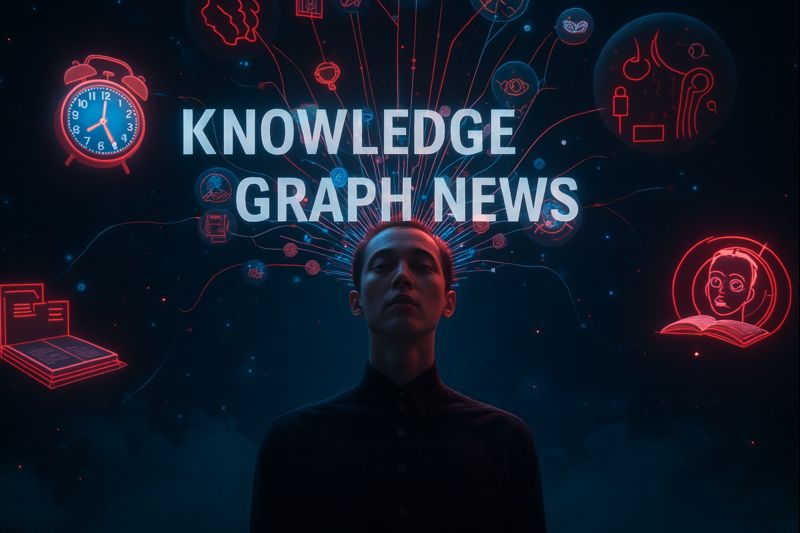
Nowadays, algorithms play a big role in how people find news. Instead of just guessing, search tools use organized info to figure out an article’s real meaning. By linking key elements within stories, computers get better at spotting context. This setup helps machines grasp not only topics but also why they matter.
Using smart tagging methods, creators boost their articles’ look on search pages, news feeds, or suggested reads. That means more eyes from people actually into the subject – thanks to sharper targeting across platforms.
Enhancing Context and Credibility
Staying trusted isn’t easy for today’s reporters. People expect to see where a story comes from, whether sources can be believed, also how things unfold across days or weeks. Organized reporting makes that clear by tying details directly to confirmed people, places, or groups.
With knowledge graph news (4), you quickly find connected bios, past events, or background info. Because of this extra detail, false claims drop – and trust in what you’re reading goes up.
Benefits for Publishers and Media Organizations
With structured data, publishers gain an edge – not merely a tech upgrade. This setup allows smoother content sorting, quicker edits, plus simpler sharing between systems. Writers keep tone steady from piece to piece but skip repeating work.
Using smart topic links (5) helps your posts last longer online. They stay useful over time since tied to changing topics instead of one-off moments.
Impact on Search Engines and AI Systems
Search engines use organized info to give better answers, while AI helpers depend on it just as much. When news fits entity-style setups, it stands a higher chance of showing up in detailed snippets or spoken replies instead.
Putting stories together using people, places, or things – and how they connect – lets computers grasp what’s really being said, not just spot words. Because of this fit, material spreads further while also working well with newer ways of sharing info down the line.
User Experience and Engagement
People get more out of news when it’s organized. Rather than hopping from one story to another, they flow naturally into connected subjects. That keeps them reading longer while grasping things better.
Clickable bits, handy links to connected topics, or pop-up details turn regular reading into hands-on discovery. A better flow like this helps users remember more while feeling more engaged.
Challenges in Implementing Structured News
Even with benefits, organized news needs solid prep – getting entities right ties into steady data rules; without updates, it falls apart. Mistakes in links or old details weaken results because consistency keeps things working.
Still, good editing plus solid tech help make it easier to handle these issues. Yet the payoff later beats the tough start.
The Future of Journalism and Structured Data
With AI shaping how we get news, clear data formats matter more than ever. Those who jump on entity-focused systems now’ll handle future platforms easier.
We think news about knowledge graph news (6) might shape how people trust info from now on – also how they find it, plus make sense of it down the road.
Conclusion
In short, news built on knowledge graph news (7) is changing how stories add value – for readers, for media companies. Instead of just listing facts, linking people, places, and events gives deeper background, builds trust, while making content easier to find. This shift matters more now, because online traffic depends heavily on algorithms, smart tech, besides what users demand. With habits shifting fast, well-organized data stays key for solid reporting that’s ready for what’s next.
Frequently Asked Questions
So what’s the whole point of organized news stuff?
It gives clearer background, boosts findability, while helping folks see how facts connect.
What’s in it for people when news is organized clearly?
People get quicker links to info plus grasp subjects better.
Does organized news help just Google – or real readers too?
Nope – it actually boosts how users feel about it, makes it seem more trustworthy, also adds lasting worth to the content.
Are high-tech tools really necessary for publishers to get this running?
Tools can assist – yet solid guidelines matter just as much.
Could organized reporting grow popular down the line?
Yep, when AI changes along with search tools, organized data starts mattering more – so things stay clear. Instead of falling behind, staying ahead means adapting early; clarity wins every time.
