


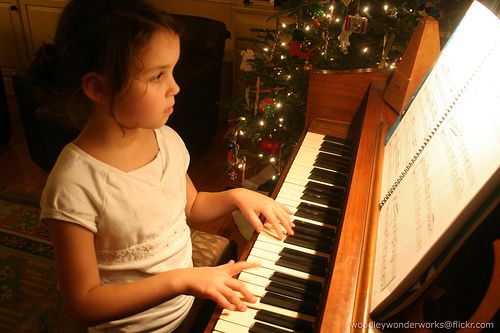
The piano ranks high in influence, tied closely to tradition but still adapts well musically. Its broad range of expression, intricate inner workings, or bold appearance keep it steady in both classic and current settings. Take a close look at what defines this tool – its origins, construction, playing styles, growth benefits, so tips to pick the right one for you.
The Historic Evolution of the Piano
The modern piao showed up around the early 1700s – Bartolomeo Cristofori built a thing called gravicembalo col pino e forte, able to play quiet notes or sudden loud ones. Because of this change, players weren’t stuck like they were on harpsichords; expression got way more flexible.
Through time, the pino changed – turned into vertical models or large versions, built with softer keys, stronger bodies, but richer tones. Nowadays, electronic versions carry it forward, offering easier interfaces together with new functions without losing its classic tone.
Understanding the Anatomy of the Piano
To get why the pino’s cool, you’ve got to see how it’s built. It’s made up of over 10,000 separate parts, but every single one helps make that signature tone.
1. Soundboard
Commonly known as the piao’s core, the soundboard boosts string movements while shaping its rich voice.
2. Strings
Piaos have more than 230 tightly stretched strings – different in size and span. Because of this setup, the overall pull hits over 20 tons, which brings out deep, rich sound.
3. Action Mechanism
The motion turns finger moves into hits against the strings – how exact it is shapes how quick and loud the notes can get.
4. Keys
Today’s pinos have 88 keys – around seven octaves plus a few more notes, so they fit almost any kind of music you can think of.
5. Pedals
Most pinos include:
- Sustain pedal (damper)
- Soft pedal (una corda)
- Sostenuto pedal
One changes how it sounds, while another tweaks the pitch or clarity.
Types of Pianos and Their Unique Characteristics
Finding out about different piaos can help you pick one that fits what you want. Whether it’s size, sound, or use – knowing the options makes a difference.
1. Grand Pianos
The grand piao stands as a masterpiece of skill, delivering –
- Superior resonance
- Exceptional action
- Professional tonal quality
Models come in sizes – tiny baby grands or big concert ones reaching beyond 9 feet.
2. Upright Pianos
Perfect for living rooms, upright models offer:
- Space-efficient design
- Affordable pricing
- Impressive tonal abilities
They’re available as consoles, studios, or full uprights.
3. Digital Pianos
Digital models incorporate:
- Weighted keys
- Sound sampling
- MIDI plus sound capture tools
Great for newbies, creators, or anyone wanting something light and quiet. They work well when you’re on the move or using headphones.
4. Hybrid Pianos
Hybrid models mix real instrument accuracy with smart tech features – giving you;
- Real hammer action
- Silent play modes
- Authentic sound reproduction
Benefits of Playing the Piano

The pino isn’t just an instrument – it boosts your body, mind, or mood in surprising ways.
Enhanced Mental Development
Playing pino boosts thinking skills linked to:
- Memory retention
- Problem-solving
- Spatial awareness
- Logical reasoning
Research suggests those picking up the piao might boost their math and language abilities at the same time.
Improved Emotional Well-being
Pino playing encourages:
- Stress reduction
- Emotional expression
- Increased self-esteem
- Mindfulness
It works like a healing escape no matter how old you are.
Strengthened Motor Skills
Playing the pino enhances:
- Hand–eye coordination
- Fine motor control
- Finger dexterity
- Bilateral hand independence
These abilities help people even when they’re not doing music – whether it’s tackling daily tasks or solving problems in new ways.
A Path to Creativity
When playing jazz off the cuff, crafting new tunes, yet bringing life to classic scores, the pano opens doors to endless imagination.
Piano Techniques Every Player Should Master
Mastery needs consistent effort – along with the right method. Essential basics involve:
1. Hand Positioning
Fingers rest loose, shaped naturally, while staying centered on the keys – this keeps motion smooth while avoiding tightness.
2. Scales and Arpeggios
These exercises build:
- Finger independence
- Speed
- Accuracy
- Musical fluency
3. Dynamics Control
Piao stands for soft, while forte signals loud. Managing volume brings out feeling plus subtle changes.
4. Pedal Techniques
Foot control helps sound stay clear while shifting notes – keeps things from getting messy or blurred.
5. Sight-Reading
Sight-reading skills improve:
- Rhythm recognition
- Interpretation
- Musical agility
6. Ear Training
Developing a keen ear enhances:
- Tone recognition
- Interval training
- Memorization
- Musicality
How to Choose the Right Piano
Picking a piao? Keep your wallet in mind, not just wishes. Space at home might weigh heavier than tone – or maybe cost is king. Go for what matches how often you’ll actually sit down to practice, ditching bells and whistles. Skip logos; focus on how it clicks when your fingers hit the keys.
1. Consider Your Space
Grand pians need room along with good sound setup; on the flip side, vertical or electronic ones slide easily into tighter areas.
2. Determine Your Skill Level
- Beginners: Digital or entry-level upright piaos
- Intermediate: Studio uprights or baby grands
- Advanced: High-end grands or hybrid piaos
3. Evaluate Key Action
The main button needs to respond quickly, stay smooth, yet fit naturally during extended use.
4. Check Sound Quality
Important factors include:
- Tone clarity
- Resonance
- Dynamic range
- Tuning stability
5. Brand Reputation
Yamaha, Steinway, or Kawai – each builds instruments meant to last. Roland, plus Bosendorfer, focus on solid build quality. These names earn loyalty by doing things right over time.
Piano Maintenance and Care
Taking care of it now means better sound later – so stick with a routine that works. A little effort each week adds up big time down the road.
1. Regular Tuning
Acoustic piaos require tuning twice a year – strings slowly loosen or stretch on their own.
2. Climate Control
Pians like steady air – neither too wet nor too dry – with humidity between 42% and 50%. But sudden changes? They can split the soundboard or mess up the tuning.
3. Cleaning Practices
Use a gentle fabric to clean keys – skip harsh chemicals. Close the cover firmly, or dust might sneak into sensitive areas.
4. Professional Servicing
Annual servicing ensures:
- Action regulation
- Voicing optimization
- Structural inspection
Final Thoughts
The piano’s still the top choice when it comes to showing emotion, sparking ideas, or growing as a person. If you dream of playing live shows, writing tunes yourself, or just unwinding after work by making music at home, this path brings something special. Timeless look, fits any style, goes deep – these things keep players everywhere hooked. Get a solid keyboard, learn how to use your hands well, stay focused every day, then watch what becomes possible.
