


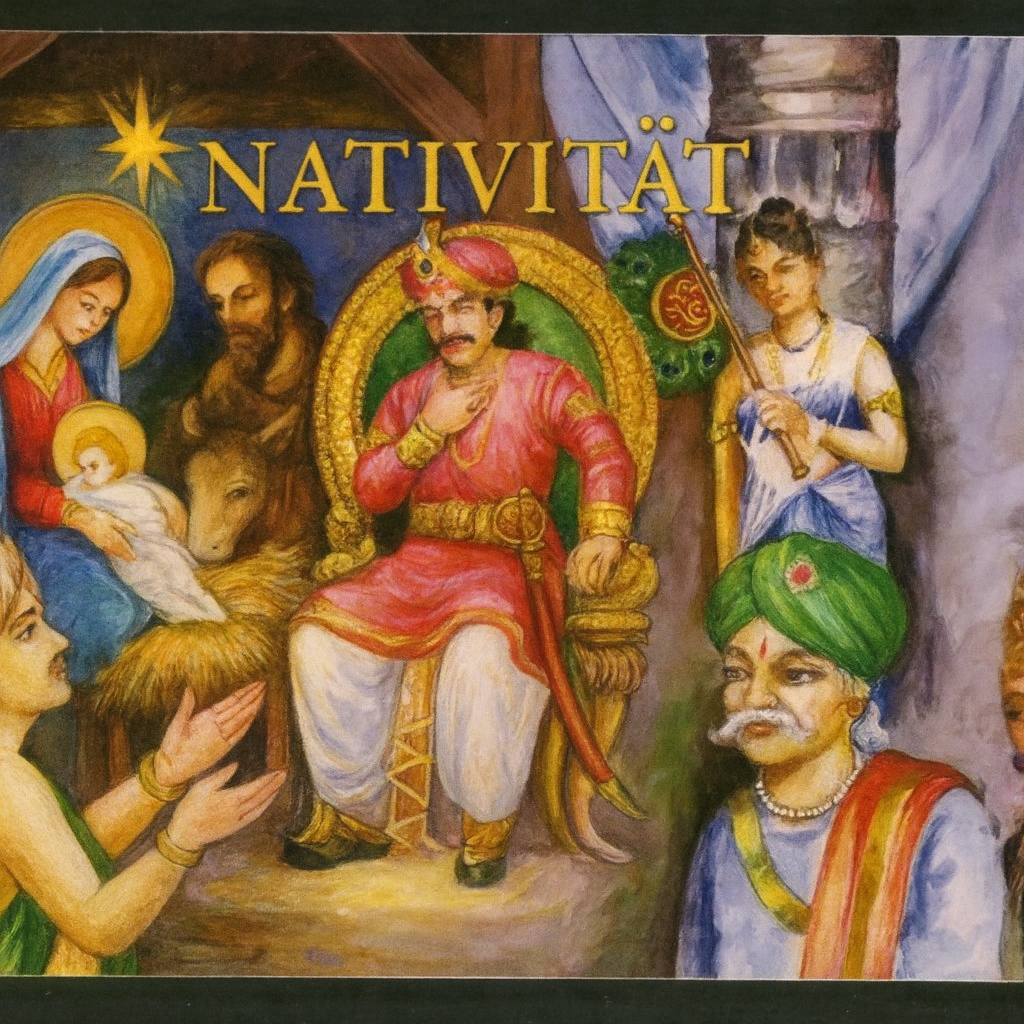
Introduction to Nativität
Nativität comes from a Latin word that means “birth.” It’s mostly linked to Jesus Christ’s arrival, a key story in Christianity. This idea includes artwork tied to faith, festivals, symbols, plus how people have seen the birth tale through time. Over hundreds of years, it’s stayed vital for believers – shaping customs, paintings, songs, even deep thinking about religion.
This full walkthrough digs into what the Nativität means, its symbols, past roots, how artists saw it, also why cultures value it.
What Does Nativität Mean?
The term Nativität typically refers to:
- The birth of Jesus Christ
- Nativity artwork – like paintings or carvings, sometimes full setups
- Christmas festivities focused on the sacred arrival
- Faith images tied to god becoming human
At its core, this idea ties back to Christianity, showing fresh starts, calmness – also the realization of ancient scriptural promises.
Historical Background of the Nativität
The Biblical Origin
The tale of Jesus’ birth shows up mostly in:
- The Gospel of Matthew
- The Gospel of Luke
These scriptures describe:
- Mary and Joseph’s journey to Bethlehem
- The birth of Jesus in a manger
- The worship from shepherds
- The visit of the Magi (Wise Men)
Growth of Nativity Celebrations
In the 300s, church leaders picked December 25 to mark Jesus’ birthday. As years passed, this event shaped worship practices – also blending into local cold-season customs across Europe.
Symbolism of the Nativität

The Nativity holds lots of spiritual meaning. Every part points to something bigger – each one tells a story beyond itself
1. The Manger
Stands for modesty, plain living – also shows how sacred things might show up where you least expect them.
2. Mary and Joseph
Stand for loyalty, belief, yet safety.
3. The Star of Bethlehem
A hint of sacred direction or insight.
4. Shepherds
Folks getting life-changing updates outta nowhere.
5. The Wise Men
Stand for insight, worldwide respect, or the broad reach of Jesus’ teachings.
6. Animals in the Stable
Picture calm, quiet moments when life begins – see the sacred arrival unfold through gentle eyes.
These signs together show ideas like hope – also calmness – with a sense of something sacred showing up, or inner revival.
Nativität in Christian Art
The Nativity’s shown up a lot in religious paintings – over 1,500 years’ worth. Each art period gave it their own spin instead
1. Early Christian Art
Simpler images that highlight spiritual ideas instead of real-life details.
2. Medieval Art
Fancy Christmas scenes filled books, walls, also church fronts.
3. Renaissance Paintings
Masters like Leonardo da Vinci, yet also Botticelli, or even Caravaggio, painted intense Nativity moments filled with feeling – highlighting realness through glowing heavenly light.
4. Baroque Period
Animated takes brought out differences, brightness, yet deep emotion.
5. Modern Art
Today’s takes swing between bare-bones styles or rich cultural twists – either way, they reflect different worldviews without sticking to one rule.
Nativity art remains a profound form of devotional expression across the world.
Nativitätsdarstellungen: Nativity Scenes in Culture
The Crèche Tradition
Nativity setups – often called Krippen or crèches – are now a favorite part of the holidays. They usually show:
- Baby Jesus
- Mary and Joseph
- Shepherds
- Angels
- The Three Kings
- Animals
- The Star
Origin of Nativity Scenes
Back in 1223, St. Francis of Assisi set up a real-life Christmas display so regular folks could grasp the tale easier – using actual people instead of paintings or sermons. Since most couldn’t read, he figured showing it live would help them connect better than words ever could. That moment sparked a tradition still seen today, just evolved over centuries through towns and churches worldwide.
- Types of Nativity Scenes
- Classic wood or clay nativity sets
- Life-sized outdoor displays
- Modern minimalistic sets
- Cultures change depending on where you are around the globe
Every edition shows what its people cared about, how they lived, while highlighting their inner beliefs shaped by tradition.
Nativität and Christmas Celebrations
The Nativity holds a key spot in holiday customs worldwide – shaping how people celebrate each December
Church Services
- Christmas Mass
- Nativity plays
- Candlelight ceremonies
Music
Loads of songs sing about Jesus’ birth – like these ones:
- “Silent Night”
- “O Holy Night”
- “Away in a Manger”
Family Traditions
- Decorating nativity sets
- Reading the Nativity story
- Reenactments and pageants
Such customs boost the religious value of Christmas among believers.
Theological Significance of the Nativität
Incarnation
The Nativity represents the belief that God became human through Jesus Christ.
Hope and Redemption
The arrival marks the start of a divine purpose for rescue.
Peace and Goodwill
The news shared with the shepherds – ‘Peace on Earth’ – still sits at the heart of Christian faith.
Universal Love
The Christmas tale is known everywhere because it’s about kindness, coming together, or simply caring for others.
Modern Interpretations of Nativität
In today’s world, the Nativity isn’t just tied to faith – it often reaches into wider culture
Cultural Symbol
Some folks who aren’t religious still mark the day – it stands for warmth, sharing moments, or just being close with loved ones.
Artistic Inspiration
Painters, singers, authors – also movie creators – keep reimagining the Christmas story.
Intercultural Adaptations
- Nativity setups today show life in fresh ways
- Various ethnicities
- Regional traditions
- Modern settings
This mix shows why the Nativität still matters today, no matter where you’re from.
Conclusion
The Nativity isn’t just a story from long ago – instead, it carries quiet meaning, shapes core beliefs for many Christians, also stands strong in shared customs. Its ideas of simplicity, calm, new beginnings, along with sacred affection still move countless people everywhere. Whether seen in church paintings or holiday gatherings at home, this moment stays close to hearts, blending trust and heritage.
